

NOTICE: All orders and payments must be made through our Our the Links in Contact page. Avoid paying to any third-party user claiming to us
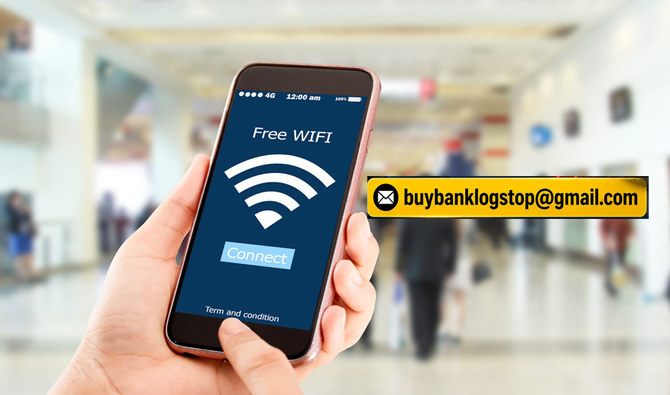
How Public Wi-Fi Networks Expose Bank Logins to Hackers

Introduction: The Hidden Risks of Public Wi-Fi Bank Logins
Public Wi-Fi networks have become a ubiquitous part of modern life, offering convenient internet access in cafes, airports, libraries, and hotels. However, this convenience comes with a hidden cost, especially when it comes to the security of sensitive data like bank logins. Public Wi-Fi Bank Logins are a prime target for hackers who exploit the inherent vulnerabilities of these networks to intercept personal information. In this extensive guide, we dive into the mechanisms by which public Wi-Fi networks expose bank logins and how cybercriminals capitalize on these weaknesses.
As millions of people rely on mobile devices and laptops to manage their finances on the go, the use of public Wi-Fi for banking transactions has surged. This has created a fertile ground for hackers to harvest Public Wi-Fi Bank Logins using a variety of sophisticated techniques. This article will explore every aspect of this threat, from the structural flaws in public networks to the tools and methods hackers use, providing a comprehensive look at how your banking credentials can be compromised in seemingly innocuous settings.
Understanding Public Wi-Fi Networks
Public Wi-Fi networks are wireless internet connections offered for free or at a low cost in public spaces. These networks are typically unsecured or minimally protected, allowing users to connect without rigorous authentication. While this accessibility is convenient, it is precisely what makes Public Wi-Fi Bank Logins so vulnerable to interception by malicious actors.
Most public Wi-Fi networks operate with little to no encryption, meaning data transmitted over them—such as banking credentials can be easily accessed by anyone within range. Even networks that require a password or login often use shared credentials, providing a false sense of security while leaving Public Wi-Fi Bank Logins exposed to nearby hackers. Understanding the fundamental setup of these networks is the first step in grasping how they become a gateway for stealing sensitive information.
Recent read: The Rise of Mobile Banking Malware Targeting Bank Logins
Why Public Wi-Fi Networks Are Insecure for Bank Logins
The design and operation of public Wi-Fi networks inherently lack the robust security measures needed to protect sensitive data like bank logins. Several factors contribute to the insecurity of Public Wi-Fi Bank Logins when accessed over these networks.
- Lack of Encryption: Many public Wi-Fi networks do not use encryption protocols like WPA3, or they use outdated standards like WEP, which are easily bypassed, exposing Public Wi-Fi Bank Logins to interception.
- Shared Access Points: Public networks often have numerous users connected simultaneously, increasing the likelihood that a hacker is among them, monitoring for Public Wi-Fi Bank Logins.
- No User Authentication: Some networks allow immediate connection without verifying user identity, enabling hackers to join and scan for Public Wi-Fi Bank Logins with ease.
- Misconfigured Routers: Many public Wi-Fi setups are poorly configured by administrators, leaving loopholes that cybercriminals exploit to access Public Wi-Fi Bank Logins.
- Fake Hotspots: Hackers can set up rogue Wi-Fi networks with names mimicking legitimate ones (e.g., “Airport_Free_WiFi”) to trick users into connecting and revealing Public Wi-Fi Bank Logins.
These structural weaknesses create an environment where Public Wi-Fi Bank Logins are at constant risk, as hackers can exploit these gaps without significant technical barriers.
Common Hacker Techniques on Public Wi-Fi Networks
Hackers use a range of methods to steal Public Wi-Fi Bank Logins when users connect to unsecured networks. These techniques are often low-cost and highly effective, capitalizing on the open nature of public Wi-Fi.
- Man-in-the-Middle (MitM) Attacks: Hackers position themselves between the user and the network, intercepting data packets to capture Public Wi-Fi Bank Logins as they are transmitted.
- Packet Sniffing: Using freely available tools like Wireshark, cybercriminals monitor unencrypted network traffic on public Wi-Fi, collecting Public Wi-Fi Bank Logins and other sensitive data.
- Evil Twin Attacks: Hackers create counterfeit Wi-Fi hotspots mimicking legitimate ones, luring users to connect so they can harvest Public Wi-Fi Bank Logins directly.
- Session Hijacking: By stealing session cookies from a user’s active banking session on public Wi-Fi, hackers can gain access to accounts without needing Public Wi-Fi Bank Logins explicitly.
- Malware Injection: Hackers on the same network can push malicious software to connected devices through public Wi-Fi, installing keyloggers or spyware to steal Public Wi-Fi Bank Logins over time.
These methods underscore the ease with which hackers can target Public Wi-Fi Bank Logins, taking advantage of the minimal security barriers in place on most public networks.
Tools Hackers Use to Exploit Public Wi-Fi for Bank Logins
The toolkit of a cybercriminal targeting Public Wi-Fi Bank Logins is surprisingly accessible, with many resources available for free or at low cost on underground forums. These tools enable hackers to execute attacks with precision and anonymity.
- Network Sniffers: Software like Wireshark or tcpdump allows hackers to analyze traffic on public Wi-Fi networks, extracting unencrypted Public Wi-Fi Bank Logins from data streams.
- Rogue Access Point Hardware: Portable devices or software can create fake Wi-Fi hotspots, tricking users into connecting and exposing their Public Wi-Fi Bank Logins.
- Password Cracking Tools: Programs like Aircrack-ng help hackers break into weakly secured public Wi-Fi networks, giving them access to monitor Public Wi-Fi Bank Logins.
- MITM Frameworks: Tools such as Bettercap or Ettercap facilitate man-in-the-middle attacks, intercepting data—including Public Wi-Fi Bank Logins between users and servers.
- Custom Malware: Hackers deploy tailored malware to devices on public Wi-Fi, which can log keystrokes or overlay fake banking login screens to steal Public Wi-Fi Bank Logins.
The availability of these tools lowers the barrier to entry for cybercriminals, making the theft of Public Wi-Fi Bank Logins a widespread issue across public networks globally.
Real-World Examples of Public Wi-Fi Bank Login Breaches
Over the years, numerous incidents have demonstrated the real-world impact of hackers exploiting public Wi-Fi to steal bank logins. These examples highlight how Public Wi-Fi Bank Logins are compromised in everyday scenarios.
- Airport Wi-Fi Scams: Reports from major international airports have detailed hackers setting up fake hotspots to capture Public Wi-Fi Bank Logins from travelers accessing banking apps while waiting for flights.
- Coffee Shop Attacks: In urban areas, hackers have been caught using packet sniffing in popular cafe chains, intercepting Public Wi-Fi Bank Logins as customers check their accounts over free Wi-Fi.
- Hotel Network Breaches: High-profile cases have shown cybercriminals infiltrating hotel Wi-Fi systems to monitor guest traffic, harvesting Public Wi-Fi Bank Logins during vacation stays.
- Public Transport Hotspots: Hackers targeting Wi-Fi on buses and trains have successfully extracted Public Wi-Fi Bank Logins from commuters performing quick financial transactions.
- Library Network Exploits: Even in seemingly safe spaces like public libraries, attackers have used rogue access points to steal Public Wi-Fi Bank Logins from students and visitors.
These instances reveal the pervasive nature of the threat to Public Wi-Fi Bank Logins, occurring in diverse and commonly frequented locations.
Why Public Wi-Fi Is So Attractive to Hackers Targeting Bank Logins
Public Wi-Fi networks are not just convenient for users; they are also a goldmine for hackers seeking Public Wi-Fi BankLogs. Several factors make these networks particularly appealing to cybercriminals.
- High User Volume: Public Wi-Fi in busy locations like malls or transit hubs attracts large numbers of users, increasing the odds of capturing valuable Public Wi-Fi Bank Logins.
- Minimal Oversight: Unlike corporate or private networks, public Wi-Fi often lacks active monitoring or IT support, allowing hackers to operate undetected while targeting Public Wi-Fi BankLogs.
- Diverse Targets: Public Wi-Fi connects a mix of personal and business users, providing hackers with access to a broad pool of potential Public Wi-Fi Bank Logins, including high-value corporate accounts.
- Ease of Access: Hackers can join public Wi-Fi networks with little to no effort, often without needing to bypass stringent authentication to hunt for Public Wi-Fi BankLogs.
- Transient Users: Many people using public Wi-Fi are on the move, less likely to notice suspicious activity or follow up on compromised Public Wi-Fi Bank Logins immediately.
These elements combine to make public Wi-Fi an irresistibly efficient platform for hackers focused on stealing Public Wi-Fi Bank Logins.
Premium Suggest: Top 10 Signs Your Financial Data Has Been Compromised
The Consequences of Stolen Bank Logins via Public Wi-Fi
When hackers successfully extract Public Wi-Fi BankLogs, the fallout for victims can be extensive, impacting their finances, privacy, and overall security. The ramifications of these breaches are often immediate and long-lasting.
- Unauthorized Account Access: Stolen Public Wi-Fi Bank Logins allow hackers to transfer funds, make purchases, or drain accounts before the user realizes the breach.
- Data Resale: Compromised Public Wi-Fi BankLogs are frequently sold on dark web marketplaces, leading to further exploitation by other cybercriminals.
- Identity Theft: Beyond immediate financial loss, stolen Public Wi-Fi Bank Logins can be used to apply for loans or open new accounts in the victim’s name.
- Financial Recovery Challenges: Victims face a complex process of disputing transactions and securing accounts after Public Wi-Fi BankLogs are stolen, often with no guarantee of full recovery.
- Corporate Losses: For business users, compromised Public Wi-Fi Bank Logins can lead to significant monetary damages and loss of client confidence if corporate accounts are targeted.
The ripple effects of losing Public Wi-Fi BankLogs highlight the severe and often underestimated risks of using unsecured networks for sensitive activities.
How Hackers Evade Detection on Public Wi-Fi Networks
Hackers targeting Public Wi-Fi Bank Logins employ various strategies to avoid detection while operating on these networks. Their ability to remain unseen is a key factor in the success of their attacks.
- Anonymity Tools: Using VPNs, proxy servers, or the Tor network, hackers mask their identity and location while intercepting Public Wi-Fi BankLogs.
- Disposable Hardware: Cybercriminals often use burner devices or modified hardware to conduct attacks on public Wi-Fi, discarding them to avoid traceability of Public Wi-Fi Bank Logins theft.
- Encrypted Communications: Hackers secure their own data transmissions while on public Wi-Fi, ensuring their activities to steal Public Wi-Fi Bank Logins remain hidden from other network users or administrators.
- Low-Profile Operations: Attackers often limit the duration and scope of their activities on a single network, moving frequently to avoid patterns that might expose their targeting of Public Wi-Fi Bank Logins.
- Blending with Traffic: By mimicking typical user behavior, hackers blend into the regular flow of public Wi-Fi traffic while collecting Public Wi-Fi Bank Logins unobtrusively.
These tactics allow hackers to operate with impunity on public Wi-Fi, continuously exploiting vulnerabilities to access Public Wi-Fi BankLogs without leaving a digital footprint.
The Scale of the Public Wi-Fi Bank Login Threat
Estimating the true extent of Public Wi-Fi Bank Logins theft is challenging due to underreporting and the clandestine nature of cybercrime, but studies and reports provide a glimpse into the scale of this issue. The widespread availability of public Wi-Fi has amplified the opportunities for hackers to target Public Wi-Fi BankLogs on a massive level.
- Global Reach: With billions of public Wi-Fi hotspots worldwide, hackers can target Public Wi-Fi Bank Logins in virtually every country, from urban centers to remote tourist destinations.
- Frequency of Attacks: Cybersecurity firms report millions of attempted or successful attacks on Public Wi-Fi Bank Logins annually, with numbers growing as mobile banking usage increases.
- Economic Impact: The financial losses from stolen Public Wi-Fi BankLogs run into billions of dollars each year, affecting both individual users and financial institutions.
- Evolving Techniques: As public Wi-Fi technology advances, hackers adapt by developing new methods to steal Public Wi-Fi Bank Logins, ensuring the threat remains persistent.
- Vulnerable Demographics: From tech-savvy professionals to casual travelers, a wide range of users fall prey to attacks on Public Wi-Fi BankLogs, broadening the scope of potential victims.
The sheer scale and adaptability of attacks on Public Wi-Fi Bank Logins make this a critical cybersecurity concern that shows no sign of diminishing.
Conclusion: The Persistent Danger of Public Wi-Fi Bank Logins Exposure
Public Wi-Fi networks, while a boon for connectivity, represent a significant and often overlooked risk to the security of bank logins. Hackers exploit the inherent weaknesses of these networks with an array of tools and techniques, making the theft of Public Wi-Fi BankLogs a disturbingly common occurrence. This detailed exploration has unpacked the mechanisms behind these threats, from man-in-the-middle attacks to rogue hotspots, revealing how easily sensitive data can be compromised in public spaces.
As reliance on public Wi-Fi for banking and financial tasks continues to grow, the exposure of Public Wi-Fi Bank Logins remains a pressing issue. The sophistication and accessibility of hacking methods targeting Public Wi-Fi BankLogs underscore the need for heightened awareness of this digital vulnerability. In a world where convenience often trumps caution, understanding the risks of public Wi-Fi is essential for anyone navigating the modern landscape of online banking.
