

NOTICE: All orders and payments must be made through our Our the Links in Contact page. Avoid paying to any third-party user claiming to us
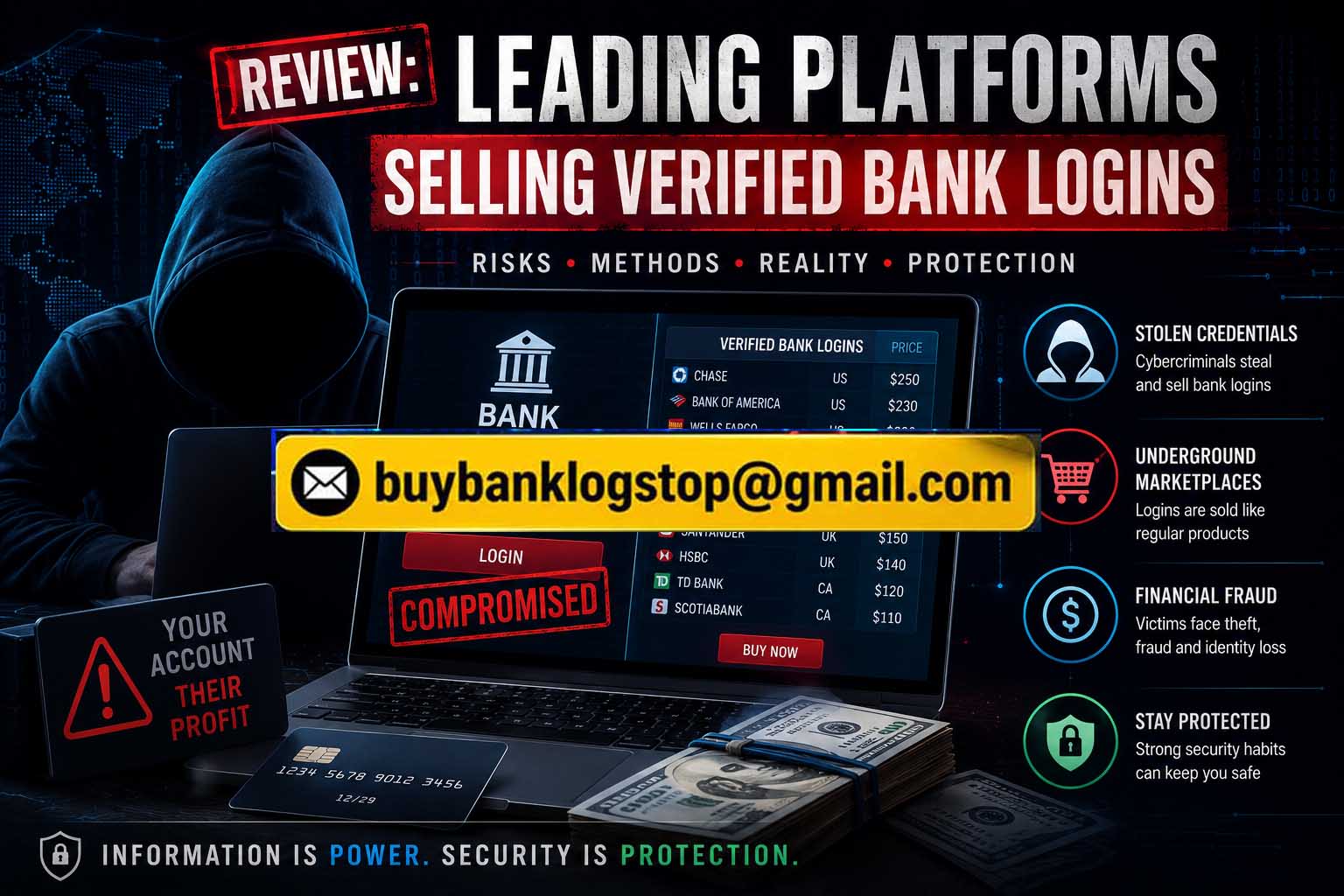
Underground Market for Stolen Bank Logins: Risks, Tactics, and Prevention

Inside the Underground Market for Stolen Bank Logins: Risks, Tactics, and Prevention
The underground cybercrime economy continues to evolve rapidly, with stolen financial credentials becoming one of the most valuable digital commodities online. Among the most targeted assets are stolen bank logins, which cybercriminals use for fraud, identity theft, unauthorized transfers, and financial scams.
As cyber threats increase globally, understanding how stolen bank logins are obtained, distributed, and abused is essential for improving digital banking security.
This article explores the growing black market surrounding stolen bank logins, common attack methods used by cybercriminals, and practical strategies individuals can use to protect themselves from online banking fraud.
Trends: Emerging Trends in Cybercrime: What to Expect in 2026
Why Stolen Bank Logins Are Valuable to Cybercriminals
Cybercriminals target online banking credentials because they provide direct access to financial accounts and sensitive personal data.
Compromised banking accounts may allow attackers to:
- Transfer money
- Conduct fraudulent purchases
- Steal identities
- Commit tax fraud
- Launder funds
- Access linked payment services
The increasing value of stolen bank logins has contributed to the growth of organized cybercrime groups worldwide.
Bank Logins has become a money in the bank cashout like WWE for scammers
How Cybercriminals Steal Bank Logins
There are several common methods used to obtain stolen bank logins.
Phishing Attacks
Phishing remains one of the biggest sources of stolen bank logins.
Attackers often create:
- Fake banking websites
- Fraudulent emails
- SMS scam messages
- Fake security alerts
Victims unknowingly enter their credentials into malicious websites controlled by criminals.
Malware and Banking Trojans
Cybercriminals use malware designed specifically to steal banking credentials.
Common malware capabilities include:
- Keylogging
- Screen capture
- Browser session theft
- Credential harvesting
Banking trojans remain a major contributor to the spread of stolen bank logs worldwide.
Data Breaches
Massive data breaches frequently expose usernames, passwords, and personal information.
Cybercriminals use this leaked data for:
- Credential stuffing
- Password reuse attacks
- Identity theft campaigns
Users who reuse passwords across multiple platforms face a higher risk of becoming victims of stolen bank logins.
The Underground Economy Around Stolen Bank Logins
Cybercrime forums and underground marketplaces have turned stolen bank logins into a profitable criminal business model.
Criminal groups may organize operations involving:
-
- Credential theft
- Data brokers
- Fraud specialists
Stolen Bank Logins
These illegal ecosystems often function similarly to legitimate online businesses, complete with:
- User reviews
- Escrow systems
- Customer support
- Affiliate programs
Law enforcement agencies worldwide continue targeting these criminal operations.
New Trends: Step-by-Step: Securing Your Online Banking Against Fraud
Risks Associated With Stolen Bank Logins
Victims of banking credential theft may face serious consequences.
Financial Losses
Unauthorized transfers and fraudulent purchases can drain bank accounts quickly.
Identity Theft
Cybercriminals may use stolen financial information to:
- Open fake accounts
- Apply for loans
- Commit tax fraud
- Impersonate victims
Emotional Stress
Victims often experience anxiety, stress, and long recovery periods after financial fraud incidents involving stolen bank logs.
Warning Signs Your Banking Credentials May Be Compromised
Common signs include:
- Unexpected login alerts
- Unknown transactions
- Password reset notifications
- Locked accounts
- Unauthorized transfers
Early detection is critical when dealing with potential stolen bank logins incidents.
How to Protect Yourself Against Banking Credential Theft
Protecting against stolen bank logins requires strong cybersecurity habits.
Use Strong Passwords
Create unique passwords for every financial account.
Enable Multi-Factor Authentication
MFA adds an extra security layer that helps prevent unauthorized access.
Avoid Suspicious Links
Never click unknown banking links from emails or text messages.
Monitor Accounts Regularly
Review transactions frequently to detect suspicious activity early.
Keep Devices Updated
Install security updates regularly to reduce vulnerabilities.
The Role of AI in Financial Cybercrime
Artificial intelligence is increasing the sophistication of attacks targeting stolen bank logins.
Modern AI-assisted scams may include:
- Deepfake customer support calls
- AI-generated phishing emails
- Automated credential attacks
- Personalized social engineering scams
As technology evolves, cybercriminal tactics continue becoming more advanced.
News Read: Comparison: Free vs. Paid Cybercrime Tools and Resources
Law Enforcement Efforts Against Financial Cybercrime
Governments and cybersecurity agencies worldwide are increasing efforts to combat cybercrime involving stolen bank logins.
These efforts include:
- International investigations
- Dark web monitoring
- Fraud detection systems
- Financial intelligence operations
Banks are also investing heavily in AI-powered fraud prevention technologies.
Every Hacker Knows about Bank logins and how to cash the out
Final Thoughts
The growing underground market for stolen bank logins highlights the increasing sophistication of modern cybercrime. Financial credential theft continues to threaten individuals, businesses, and financial institutions worldwide.
Understanding how attackers operate and adopting strong cybersecurity practices can significantly reduce the risk of becoming a victim. As online banking continues expanding, awareness, vigilance, and proactive security measures remain essential for protecting financial information in the digital age.
