

NOTICE: All orders and payments must be made through our Our the Links in Contact page. Avoid paying to any third-party user claiming to us
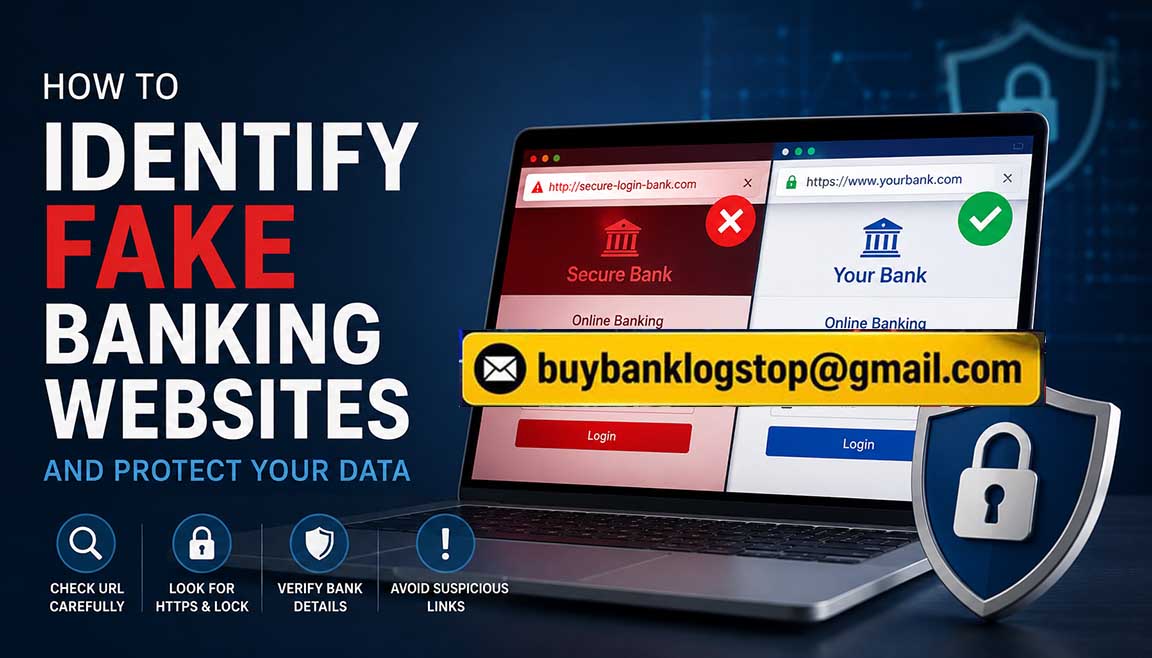
How to Identify Fake Banking Websites and Protect Your Data

Detect Fake Banking Websites and Protect Your Bank Logins
Online banking has made financial transactions faster and more convenient, but it has also created opportunities for cybercriminals. One of the most dangerous online threats today is Fake Banking Websites designed to steal login credentials, personal information, and financial data.
Cybercriminals build convincing fake bank portals that closely resemble legitimate banking websites. Many victims unknowingly enter sensitive information into these fraudulent pages, leading to financial fraud, identity theft, and unauthorized account access.
Understanding how to recognize Fake Banking Websites is essential for protecting your money and personal data in 2026.
New Reads: How Social Engineering Manipulates Victims into Sharing Bank Details
What Are Fake Banking Websites?
Fake Banking Websites are fraudulent websites created by cybercriminals to imitate legitimate banks or financial institutions.
These fake platforms are designed to:
- Steal usernames and passwords
- Capture OTP codes
- Collect debit or credit card information
- Harvest personal identity details
- Install malware on devices
Many Fake Banking Websites appear almost identical to real banking pages, making them difficult for unsuspecting users to detect.
Why Cybercriminals Create Fake Banking Websites
Cybercriminals use Fake Banking Websites because they are highly effective for stealing sensitive financial information.
Stolen banking data may be used for:
- Unauthorized money transfers
- Identity theft
- Financial fraud
- Account takeovers
- Illegal online purchases
As online banking usage grows worldwide, attacks involving Fake Banking Websites continue increasing rapidly.
Also Read: Underground Market for Stolen Bank Logins: Risks, Tactics, and Prevention
Common Ways Victims Are Directed to Fake Banking Websites
Phishing Emails
One of the most common methods involving Fake Banking Websites is phishing.
Victims may receive emails claiming:
- Suspicious account activity
- Security verification requests
- Account suspension warnings
- Password reset notices
These emails usually contain links directing users to fraudulent banking portals.
SMS Scams (Smishing)
Cybercriminals also use text messages to promote Fake Banking Websites.
Messages may say:
- “Your bank account is locked”
- “Verify your account immediately”
- “Unauthorized transaction detected”
The goal is to create panic and urgency.
Social Media Advertisements
Some attackers use fake advertisements on social media platforms to spread Fake Banking Websites.
These ads may promote:
- Fake banking apps
- Fraudulent login pages
- Fake investment offers
- Scam financial services
Warning Signs of Fake Banking Websites
Learning the warning signs is critical for avoiding Fake Banking Websites.
1. Suspicious Website URLs
One of the biggest indicators of Fake Banking Website is unusual URLs.
Examples:
- realbank-secure-login.com
- yourbank-verification.net
- secure-banking-check.info
Cybercriminals often create domains that look similar to real banking websites.
Always check:
- Spelling
- Domain extensions
- Extra characters
- Random numbers
2. Missing HTTPS Security
Legitimate banking websites use encrypted HTTPS connections.
Look for:
- HTTPS in the address bar
- A padlock icon
While some Fake Banking Website may also use HTTPS, missing encryption is still a major red flag.
3. Poor Website Design
Some Fake Banking Websites contain:
- Broken images
- Poor grammar
- Low-quality graphics
- Formatting errors
- Suspicious popups
Professional banks usually maintain polished and secure websites.
4. Urgent Requests for Information
Many Fake Banking Website pressure users into immediate action.
Common tactics include:
- “Verify now”
- “Your account will be suspended”
- “Immediate action required”
Urgency is a common social engineering tactic used by cybercriminals.
5. Requests for Sensitive Information
Legitimate banks rarely request sensitive details through unsecured pages.
Be cautious if Fake Banking Websites ask for:
- Full PIN numbers
- OTP codes
- Social security numbers
- Complete debit card details
How Fake Banking Websites Steal Your Data
Once victims interact with Fake Banking Website, attackers may:
- Capture login credentials
- Install malware
- Steal session cookies
- Record keystrokes
- Redirect users to additional scams
Some advanced phishing kits even bypass two-factor authentication using real-time credential interception.
Trends: Emerging Trends in Cybercrime: What to Expect in 2026
The Role of Social Engineering in Fake Banking Websites
Cybercriminals combine Fake Banking Website with social engineering tactics to manipulate victims emotionally.
Attackers often use:
- Fear
- Panic
- Authority impersonation
- Fake fraud alerts
- Urgent warnings
The emotional pressure makes victims less likely to notice suspicious details.
Mobile Devices and Fake Banking Websites
Smartphones are increasingly targeted by attackers spreading Fake Banking Website.
Mobile users may overlook:
- Suspicious URLs
- Browser warnings
- Domain spelling errors
Smaller screens make phishing attacks harder to detect.
Always verify website authenticity carefully when using mobile banking.
How to Protect Yourself from Fake Banking Websites
Type URLs Manually
Instead of clicking links, manually type your bank’s official website into your browser.
This greatly reduces exposure to Fake Banking Websites.
Use Official Banking Apps
Download banking applications only from trusted app stores.
Avoid:
- APK downloads
- Unknown app sources
- Third-party app stores
Enable Multi-Factor Authentication
MFA provides additional protection even if attackers steal your password.
This is one of the best defenses against Fake Banking Website.
Use Password Managers
Password managers help detect phishing sites because they usually autofill credentials only on legitimate websites.
Keep Devices Updated
Security updates protect against vulnerabilities exploited by cybercriminals behind Fake Banking Websites.
Install Reliable Security Software
Modern antivirus tools can help block:
- Phishing websites
- Malicious downloads
- Fake login pages
Security software adds another layer of protection against Fake Banking Website.
New Trends: Step-by-Step: Securing Your Online Banking Against Fraud
What To Do If You Entered Information on a Fake Banking Website
If you suspect you interacted with Fake Banking Websites:
- Contact your bank immediately
- Change your banking password
- Enable MFA
- Monitor account activity
- Freeze cards if necessary
- Scan devices for malware
- Report the phishing website
Acting quickly can reduce financial damage significantly.
Emerging Trends in Fake Banking Website Scams
Cybercriminals continue improving Fake Banking Website using:
- AI-generated phishing pages
- Deepfake customer support
- Automated scam campaigns
- Real-time credential theft tools
As technology evolves, phishing scams are becoming more convincing and harder to detect.
Best Practices for Long-Term Banking Security
To stay protected from Fake Banking Websites:
- Verify URLs carefully
- Avoid suspicious links
- Learn phishing warning signs
- Use strong passwords
- Enable MFA everywhere
- Stay informed about new scams
- Monitor banking activity regularly
Cybersecurity awareness remains one of the strongest defenses against online banking fraud.
At Buybanklogs.top we bring you safety insights and how to protect your Bank logins from scammers
Final Thoughts
The rise of Fake Banking Websites highlights the growing sophistication of cybercrime in the digital banking era. Cybercriminals use deception, phishing, and social engineering tactics to steal sensitive financial information from unsuspecting victims.
By learning how to recognize warning signs, verify website authenticity, and follow strong cybersecurity practices, individuals can significantly reduce their risk of becoming victims of banking fraud.
Protecting your financial information starts with awareness, caution, and proactive online security habits.
News Read: Comparison: Free vs. Paid Cybercrime Tools and Resources
